

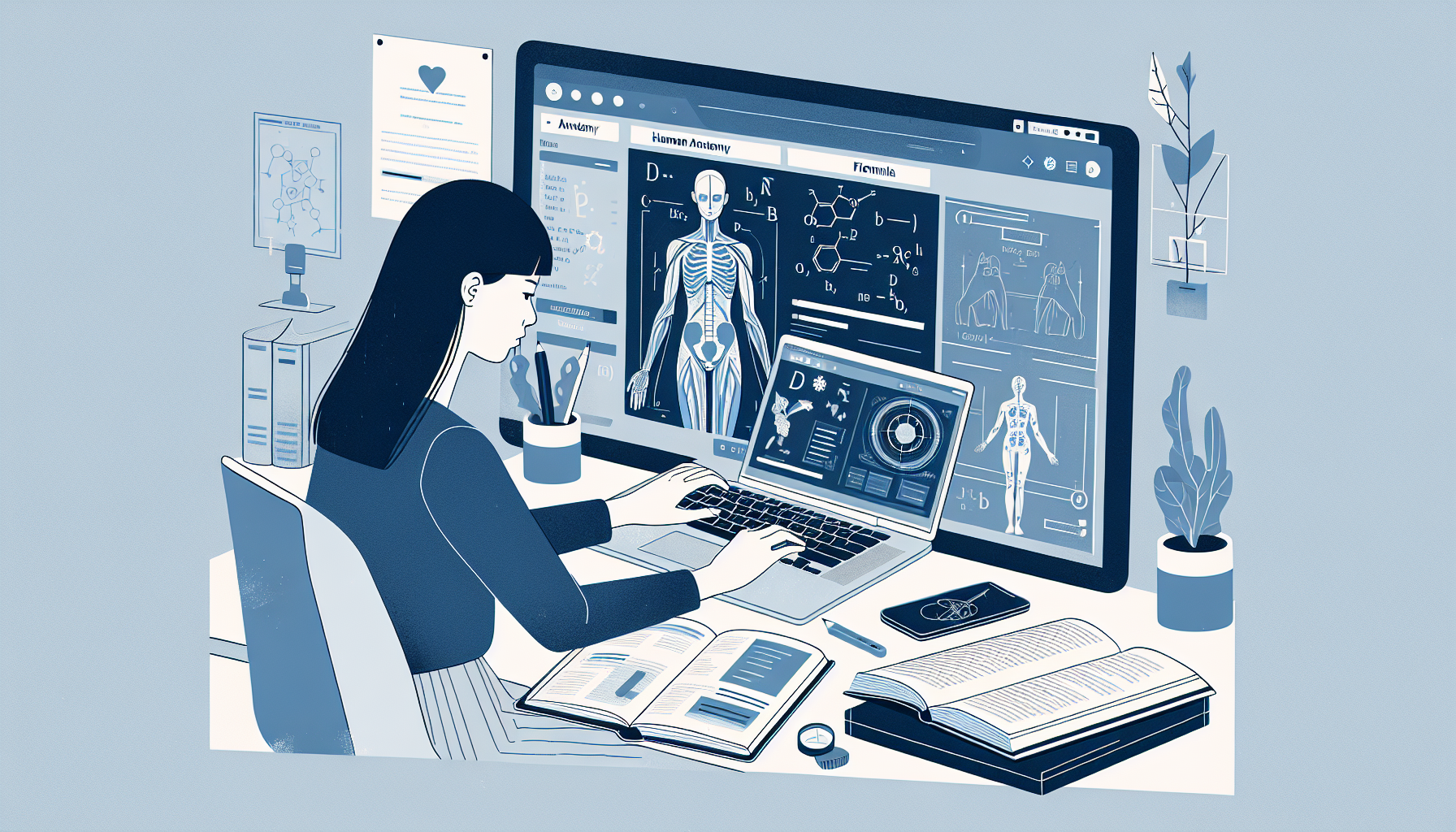
Top memorization methods for anatomy terms can transform how you tackle complex coursework. Many STEM students struggle with memorizing extensive terminology, but with a few dedicated strategies, mastering these terms can become a more efficient and less daunting task.
Techniques For Efficient Memorization
Mastering anatomy requires understanding and memorizing numerous terms. Using efficient memorization techniques can make this process more manageable and even enjoyable. One effective method is spaced repetition, where you review the terms at increasing intervals to reinforce memory. Chunking is another helpful technique where you group information into smaller, meaningful units, making it easier to digest. Integrating visual aids, such as diagrams and charts, can also significantly enhance memorization by providing a visual context to the terms.
Utilizing flashcards
Flashcards are a classic tool for memorization. Easily create digital or physical flashcards to test your recall. Keep the questions on one side and the answers on the other. Regular practice with these can help cement your knowledge.
Association techniques
Linking new information with familiar concepts can improve recall. For instance, create stories or mental images that involve the anatomy terms you’re learning. This method takes advantage of how our brains naturally remember stories better than isolated facts.
Regular practice and revision
Consistent review is crucial. Dedicate a set amount of time each day to go through your anatomy terms. Regular revision not only strengthens memory but also boosts confidence in using these terms fluently in your studies.
Integrating Technology With Learning
Integrating technology into study habits can enhance learning and retention. Digital flashcards are a popular tool, allowing for efficient review and self-testing. Apps like Anki or Quizlet provide a platform for creating and sharing these cards. Educational apps offer interactive experiences, transforming challenging concepts into engaging activities.
Online anatomy resources
Access to virtual dissections and 3D models can be transformative for anatomy students. These resources allow students to explore and understand complex structures from any angle, offering a deeper understanding that textbooks alone cannot provide.
Note-taking apps
Modern note-taking apps are indispensable for organizing and reviewing class materials. Apps like Evernote and OneNote allow students to keep digital notes, incorporate multimedia elements, and even collaborate with classmates for group studies.
Using learning management systems
Many schools implement platforms like Moodle or Canvas to support learning. These systems can enhance class engagement by allowing access to lecture materials, assignments, and interactive discussions all in one place. Such integration ensures that learning continues smoothly outside traditional classroom settings.
Applying Mnemonic Devices In Anatomy
Mnemonic devices are powerful tools for recalling complex information, especially in anatomy where there’s so much to remember. Acronyms are commonly used by students to remember sequences and lists. For example, the cranial nerves can be memorized with the phrase ‘Oh, Oh, Oh, To Touch And Feel Very Green Vegetables, AH!’
Rhymes and rhythms
Creating short rhymes or songs can also help in memorizing terms. For example, using rhymes to remember bone names or body systems can make studying more fun and effective. This engages auditory memory, making it easier to recall facts later.
Visualization techniques
With visualization, students link vivid, often bizarre images with the terms they’re trying to recall. By associating unusual images with anatomy concepts, students can recall information more easily. This plays onto the brain’s strength of recognizing visual information.
Story-telling method
Building a story around the anatomy facts can be another fun way to use mnemonic devices. For instance, creating a narrative that involves anatomical processes can make them not only memorable but also easier to understand.